
Residential Building Renovation
Residential Building Renovation Contractor Services in Raigad, Navi Mumbai, Pune, Thane and Mumbai
Shreeyash Construction provides residential building renovation contractor services across Raigad, Navi Mumbai, Pune, Thane and Mumbai. We undertake renovation work for independent houses, bungalows, apartments and residential buildings, with the scope planned around the property’s condition and your requirements.
Whether you need to upgrade an ageing home, repair damaged finishes or renovate common areas, careful planning helps bring the work together. Our renovation services can include civil repairs, waterproofing, flooring, painting, plumbing, electrical upgrades and external improvements.
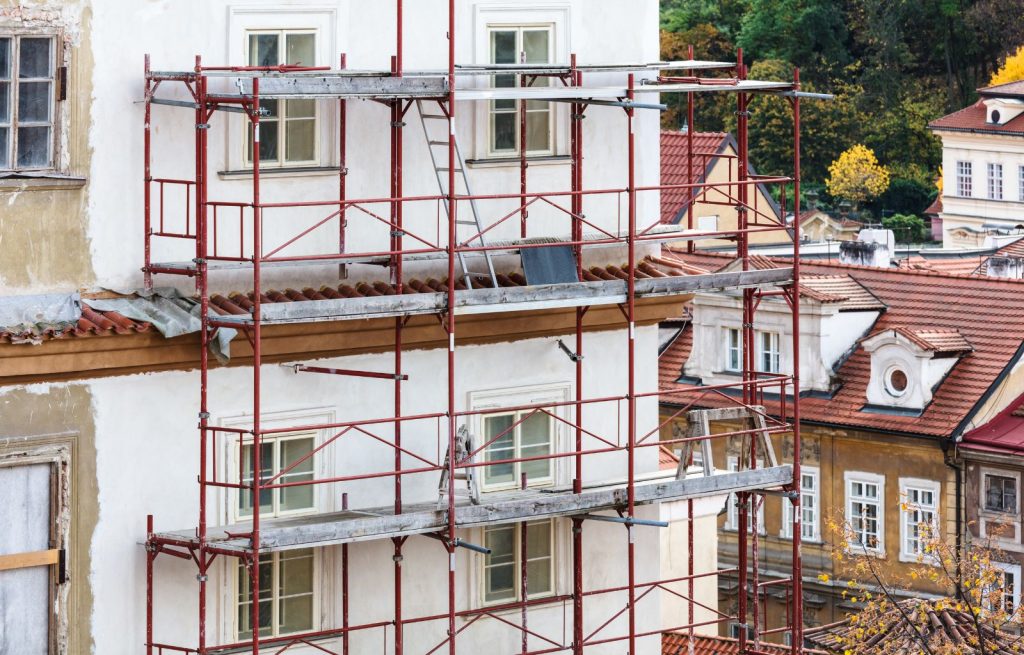
What Is Residential Building Renovation?
Residential building renovation involves repairing, upgrading or modifying an existing residential property to improve its condition, appearance and usability.
The work may be limited to selected rooms or extend across an entire building. Some projects focus on replacing worn finishes, while others require repairs to damaged surfaces, leaking areas or outdated building services.
Before work begins, the existing condition should be assessed. Visible cracks, damp patches or damaged concrete may require investigation to identify their cause before deciding on a repair method.
Types of Residential Building Renovation
1. Independent House Renovation
Independent house renovation can cover internal rooms, bathrooms, kitchens, terraces and external areas. The scope may include flooring replacement, plaster repairs, painting, waterproofing and service upgrades.
Renovation also provides an opportunity to improve how the available space works for the family.
2. Bungalow and Villa Renovation
Bungalow and villa renovation may involve upgrading interiors, restoring exterior finishes and improving terraces, balconies or surrounding paved areas.
Material selection and detailing should suit the existing building, local exposure conditions and the owner’s maintenance expectations.
3. Apartment and Flat Renovation
Flat renovation commonly includes bathroom upgrades, kitchen civil work, flooring, painting and electrical or plumbing alterations.
Work must account for society requirements, neighbouring homes, permitted working hours and restrictions on changes to the building’s structure and shared services.
4. Residential Building and Society Renovation
Building-wide renovation can include exterior painting, terrace waterproofing, common-area repairs, staircase improvements and plumbing upgrades.
These projects need coordinated access, resident communication and a work sequence that considers people living in the building.
5. Old Residential Building Renovation
Older buildings may have deteriorated plaster, corroded fittings, damaged waterproofing or ageing electrical and plumbing systems.
An initial inspection helps identify the work required. Where structural distress is suspected, a qualified structural engineer should assess the building and specify the necessary repairs.
6. Partial Renovation
A partial renovation focuses on selected areas such as a bathroom, kitchen, bedroom, terrace or building entrance.
Defining the affected area and protecting adjoining finishes helps keep the work organised.
Our Residential Building Renovation Services
Civil Repairs and Surface Restoration
Civil repair work may include removing loose plaster, repairing damaged surfaces, rebuilding selected non-structural masonry and preparing walls for new finishes.
The repair approach should respond to the underlying cause of deterioration. Simply covering a damp patch or crack may leave the original problem unresolved.
Structural Repair Coordination
Damaged RCC elements, exposed reinforcement or significant cracking require technical assessment.
Where structural repairs are needed, the scope and method should follow a qualified structural engineer’s recommendations. Strengthening or structural alterations require appropriate design and permissions.
Waterproofing and Leakage Repairs
Waterproofing work can address identified leakage problems in terraces, bathrooms, balconies and other specified areas.
The process may involve surface preparation, treatment of joints and penetrations, application of the selected system and checks before finishes are reinstated.
Flooring and Tiling
Renovation can include removing damaged flooring and installing new tiles or other specified finishes.
Substrate condition, floor levels, wet-area slopes and connections to adjoining rooms should be reviewed before installation.
Interior and Exterior Painting
Painting work begins with assessing the existing surface. Loose paint, damaged plaster and moisture-related defects should be addressed before applying the selected coating system.
Exterior work also requires suitable access arrangements and materials appropriate for the surface and exposure.
Plumbing Renovation
Plumbing upgrades may include replacing damaged pipes, improving bathroom connections, changing fixtures and repairing drainage lines.
Concealed work should be checked before walls or floors are closed.
Electrical Upgrades
Electrical renovation may include replacing wiring, relocating points and upgrading fittings or distribution arrangements according to the assessed requirements.
The installation should be planned and carried out by suitably qualified personnel, with appropriate checks before use.
Bathroom and Kitchen Renovation
Bathroom renovation can cover waterproofing, plumbing, tiles, sanitary fittings and ventilation improvements.
Kitchen renovation may include civil modifications, wall finishes, flooring and coordination of water, drainage and electrical points.
Common Areas and External Works
For residential buildings, renovation may extend to staircases, corridors, entrance areas, compound walls, gates and paving.
The agreed scope should identify access needs, resident safety arrangements and any service interruptions.
Our Residential Renovation Process
Step 1: Discuss Your Requirements
We begin by understanding the property type, existing problems, renovation priorities and budget expectations.
Step 2: Inspect the Property
A site inspection helps establish the visible condition, access arrangements and proposed work areas. Specialist investigations may be required where the cause of damage is unclear.
Step 3: Define the Scope and Specifications
The work is listed clearly, including materials, finishes, repair methods and areas to be renovated. This stage also identifies permissions or specialist design requirements.
Step 4: Prepare the Estimate and Schedule
The estimate should state inclusions, exclusions and the procedure for additional work. Renovation can reveal concealed defects, so changes should be reviewed and approved before execution.
Step 5: Protect and Prepare the Work Areas
Furniture, adjoining finishes and occupied areas are protected as appropriate. Removal and dismantling work then proceeds in the planned sequence.
Step 6: Execute Repairs and Upgrades
Civil repairs, waterproofing and concealed services generally precede final finishes. Coordination between trades helps reduce rework.
Step 7: Inspect and Hand Over
Completed work is checked against the agreed scope. A final walkthrough helps identify remaining items before handover.
What Affects Residential Renovation Cost?
Residential renovation cost depends on more than the property’s floor area. Important factors include:
- Existing condition and the extent of deterioration.
- Type and quantity of repair work.
- Selected materials, fittings and finishes.
- Electrical and plumbing replacement requirements.
- Access, scaffolding and debris removal.
- Whether the property remains occupied during work.
- Concealed defects discovered after dismantling.
A site-based, itemised estimate provides a clearer understanding of the expected cost.
Client Segments We Serve
| Client segment | Typical renovation requirements |
|---|---|
| Individual homeowners | Houses, bungalows, villas and flats |
| Housing societies | Building exteriors, terraces and common areas |
| Residential property owners | Repairs and upgrades before renting or occupying |
| Property managers | Planned repairs and maintenance-related renovation |
| Corporate organisations | Staff quarters and employee accommodation |
| Educational and healthcare institutions | Residential quarters and accommodation facilities |
Locations We Serve
Shreeyash Construction accepts residential renovation enquiries across Raigad, Navi Mumbai, Pune, Thane and Mumbai, including urban and rural locations. Project scope and execution arrangements depend on the specific property and site access.
Frequently Asked Questions (FAQ)
Some work can be completed in phases while the property remains occupied. Feasibility depends on the repair type, access, dust, noise and essential service interruptions.
Terrace leakage repairs can be included after assessing the affected area and likely source. The treatment should address the identified problem rather than only the visible damp patch.
Wall removal requires assessment to establish whether the wall is structural and whether services pass through it. Any structural change must follow appropriate engineering advice and permissions.
The duration depends on the scope, property condition, material availability and access arrangements. A schedule can be prepared after inspection and scope finalisation.
Building-wide renovation can be discussed based on the property’s condition, technical requirements and agreed scope.
Share the property location, approximate size, photographs, known defects and the improvements you want to make.
Contact Us